FREE SHIPPING ON ALL ORDERS OVER $70.00 !!!

Search

Search

This section doesn’t currently include any content. Add content to this section using the sidebar.

Image caption appears here

Add your deal, information or promotional text

How much Fiber do You Need?

Fiber Needed Daily


HOW MUCH FIBER DO WE ACTUALLY GET?


Fiber Needed Daily

PREBIOTIC POWERS

PREBIOTIC POWER

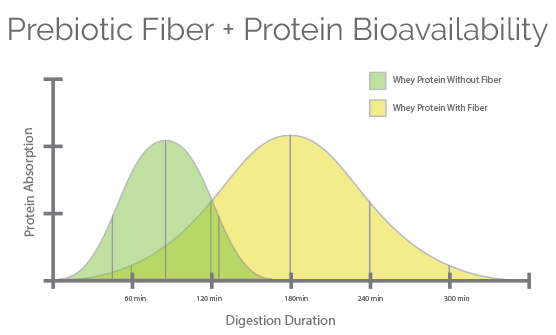
Prebiotic fiber slows protein digestion, dramatically increasing its bioavailability so your body is able to maximize all of Nutracelle’s protein for muscle synthesis, immune response and cellular repair.

Without this fiber, protein is digested more rapidly and the excess can be converted to glucose, slowing weight loss and reducing health benefits.

Benefits of Prebiotic Fiber

    • Reduces hunger hormones
    • Boosts leptin, the ‘fullness’ hormone
    • Increases fat-burning by over 228% 
    • Protects your muscles and bones
    • Reduces insulin resistance
    • Reduces risk of heart disease
    • Lowers triglycerides
    • Improves protein absorption
    • Better nutrient and mineral absorption
    • Beneficial for those with Crohn’s, Colitis and IBS
    • May reduce the risk of bowel cancer
    • Improves regularity and digestion
    • Improves sleep and elevates mood
    • Aides mental clarity & memory 
    • Improves sleep and mood

Prebiotic vs Probiotics

Why You Need Both

Did you know there are over 10 TIMES more bacteria in your gut than there are cells in your body? 

Most people think taking a probiotic with 5-10 billion bacteria will help them get a healthier gut. But a probiotic can only add a tiny fraction of what we need.  The truth is, without prebiotic fiber in your diet to fertilize your good gut flora, the bad bacteria will quickly overwhelm even the best probiotic supplements.

Nutracelle’s Prebiotic Fiber is so powerful it can naturally DOUBLE the number of good bacteria in your gut every 20 minutes – far more than is possible with a probiotic supplement.

Where does our Prebiotic Fiber come from?

Learn about the different types of vitamin B12, including methylcobalamin and cyanocobalamin, and what to look for when reading your vitamin label.
Vitamin D2 vs D3: what's the difference? Learn where each comes from, how your body uses them, and why research generally favours vitamin D3.
Wondering if your child is drinking enough water? Learn how much water kids need, signs of dehydration, and simple tips to build healthy hydration habits every day.